
O U R S E R V I C E S
Art as
Healing.
Storytelling.
Community.
Encouraging holistic wellness through creative expression to treat mental health challenges.
Where Art Meets Recovery
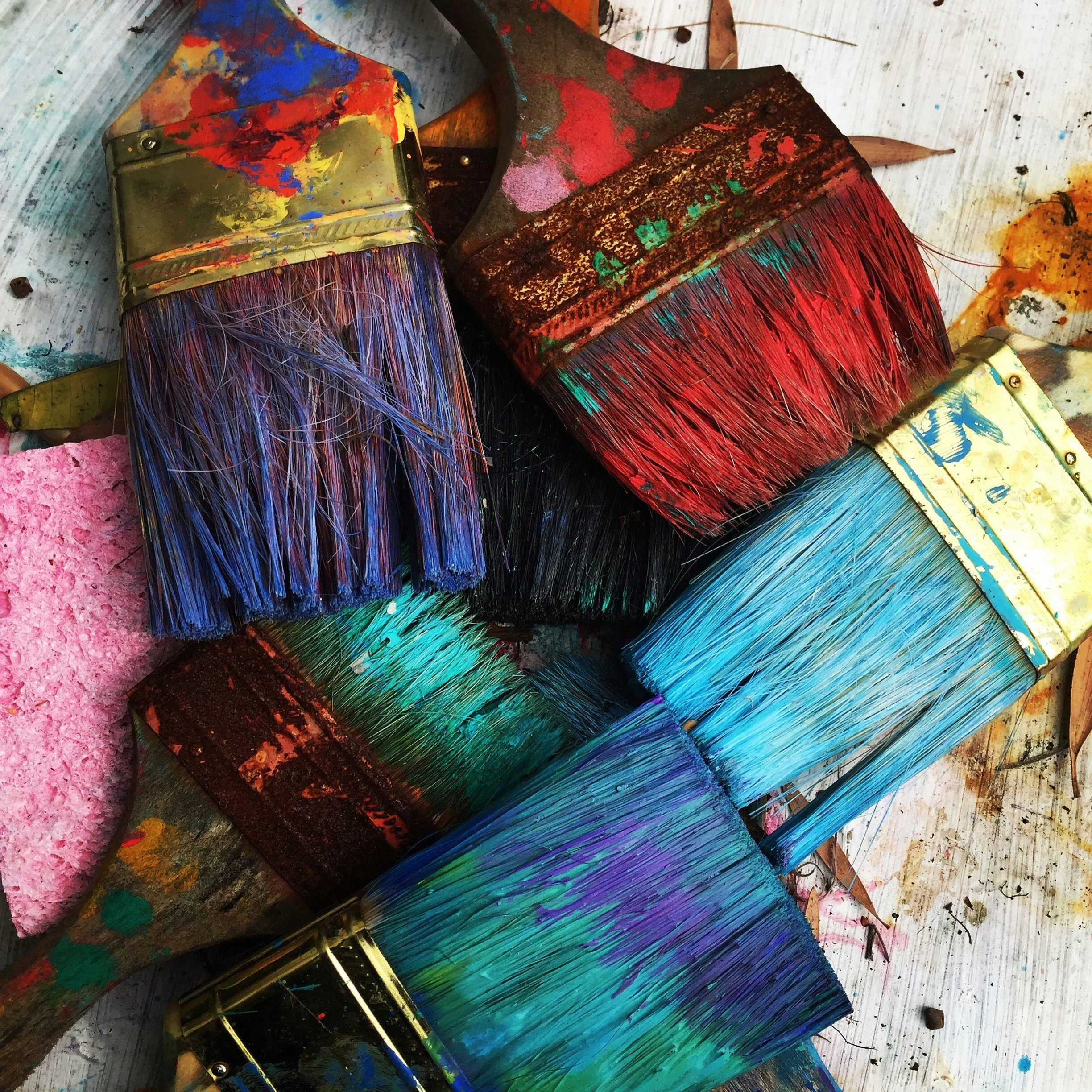
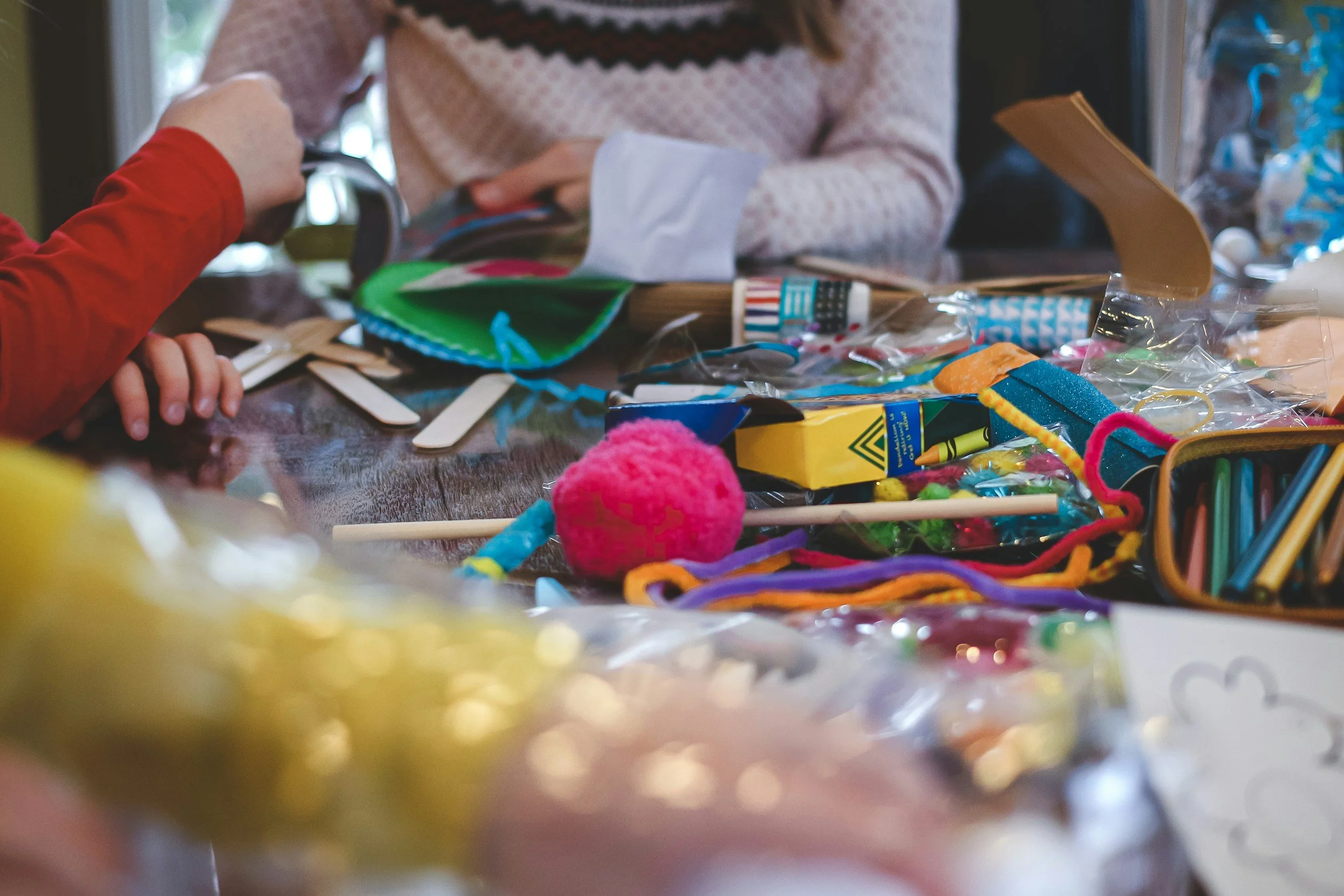
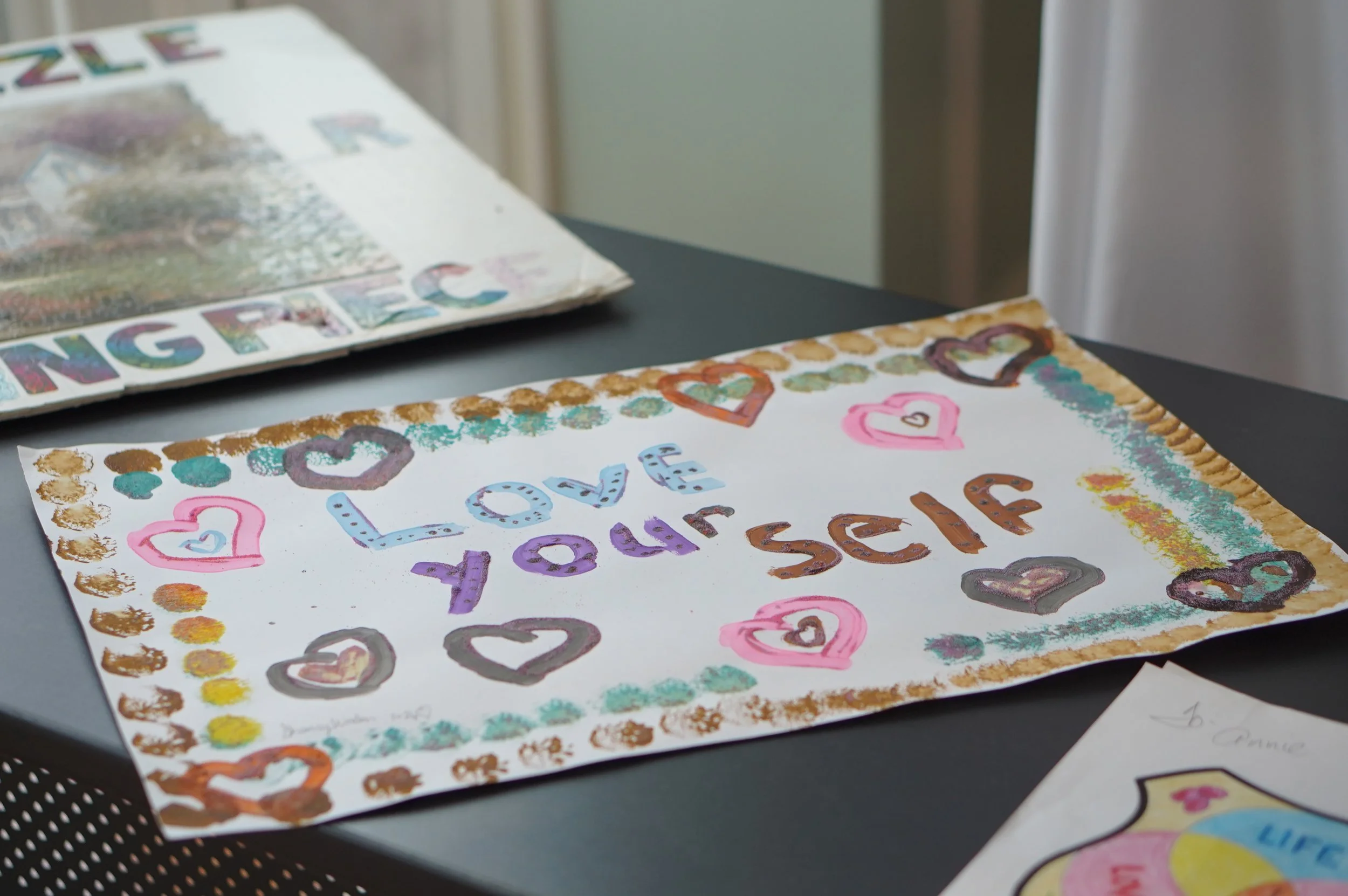
Art offers a powerful, non‑verbal pathway for healing in both substance use and mental health treatment. Through creative expression, individuals can safely process complex emotions, reduce stress, and build greater self‑awareness—key components of long‑term recovery. At CarePoint, we support art-based activities that help people identify emotional triggers and improve symptoms of depression and anxiety. supporting resilient healing journeys.
Source: Recovered.org
Dream Big
✣
Dream Big ✣
When Sound Becomes Medicine
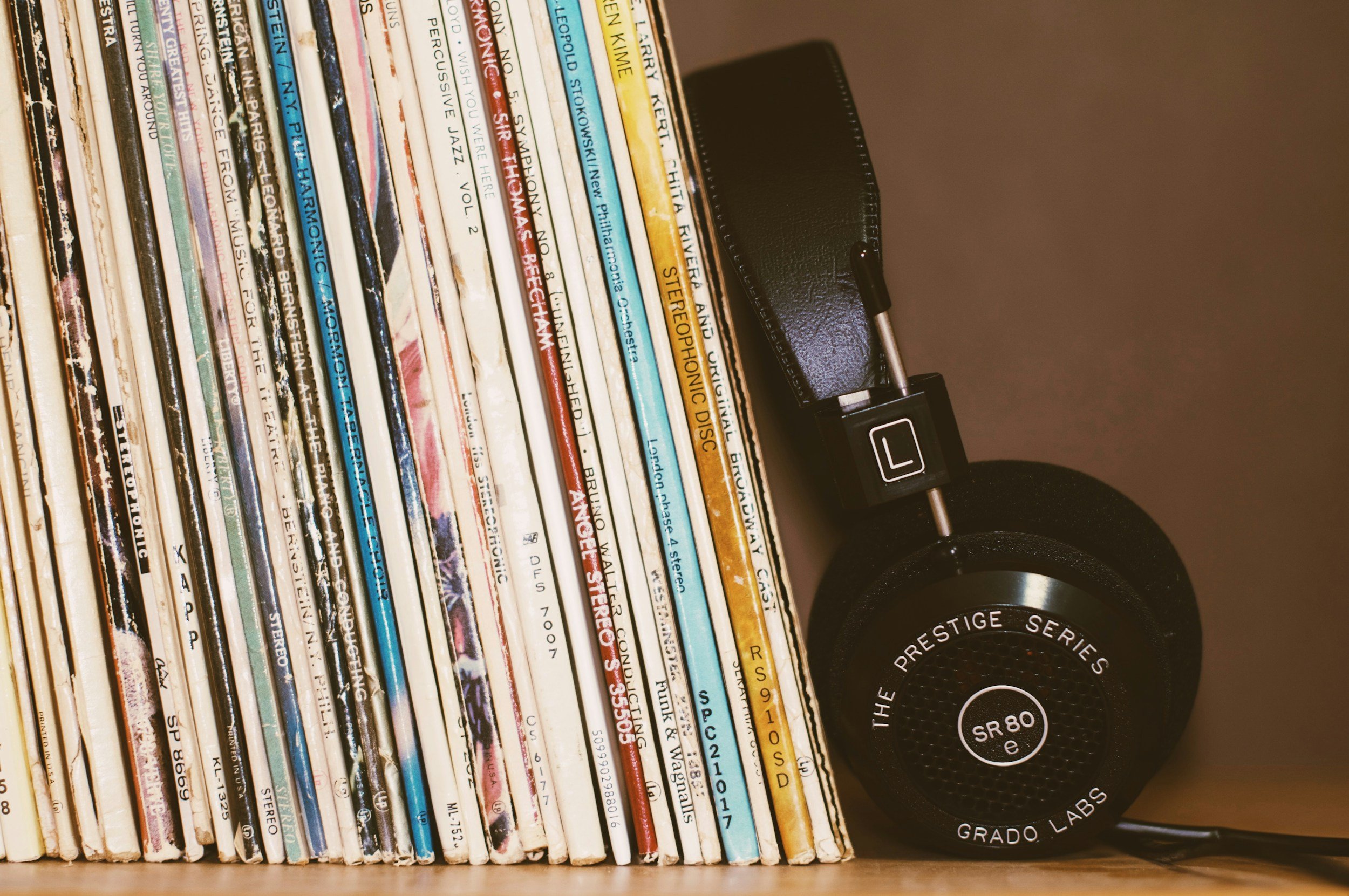
Research shows that music can ease symptoms of depression and anxiety, enhance emotional regulation, and support cognitive, social, and emotional functioning across a wide range of mental health conditions. It also provides a safe, expressive outlet for processing difficult emotions—especially for individuals who struggle to verbalize their feelings—and has been shown to reduce stress‑related symptoms, build resilience after trauma, and improve overall functioning in those experiencing depression or anxiety.
Source: Cleveland Clinic
Interested in learning more?
Whether it’s through painting a landscape, listening to music, or guiding physical activity, our passionate team is here to empower clients and their individuality, because everyone deserves to be able to express themselves.
Creative Resources for Mental Health Support
-
Why Art is a Pillar of Health
Research highlighted in Psychology Today shows that both making art and experiencing it can improve emotion regulation, enhance cognitive flexibility, and strengthen social connectedness. These benefits come from focusing on the creative process rather than the final product, with studies showing that even passive experiences like walking through an art museum activate neural circuits linked to emotional well‑being. The article also emphasizes that the science behind art’s impact is vast, spanning thousands of studies, and encourages integrating creativity into daily life just as intentionally as we prioritize diet or exercise
-
The Transformative Power of Music in Mental Well-Being
Music plays a powerful role in supporting mental well‑being by helping regulate mood, reduce stress, and strengthen emotional resilience. According to the American Psychiatric Association, both listening to music and actively making music can promote emotional release, encourage self‑reflection, and create a sense of connection for people experiencing anxiety, depression, or trauma. Research also shows that activities such as drumming circles, songwriting, and group singing can improve functioning and provide a supportive environment for healing.
-
The Soundtrack of Strengths: Activity
Created by Positive Psychology, this worksheet is meant to encourage introspective thinking and resilience through the curation of a playlist representative of one’s personal strengths.
-
Postcard Making: Activity
This activity developed by Therapist Aid is a postcard making worksheet, where clients begin by writing a brief message to someone they miss, feel frustrated with, or want to communicate something important to. On the blank side of the paper, they are invited to express the emotions behind that message through artwork, using color, imagery, or symbols to visually represent what they are feeling.